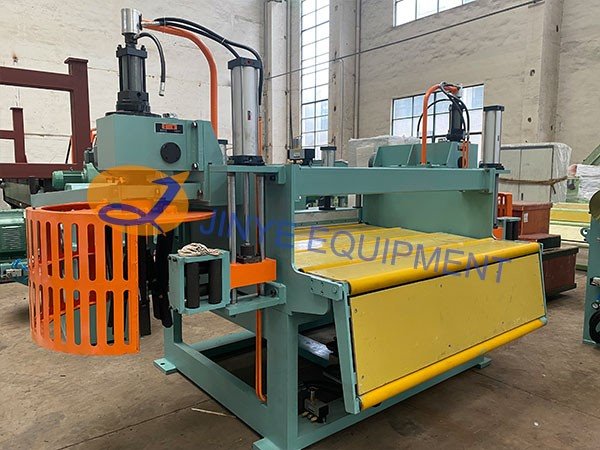
How to ensure the safety of operators around a metal slitting line?
Jun 11, 2026
Leave a message
1. Comprehensive Training Programs
One of the most effective ways to ensure operator safety is through comprehensive training programs. Operators should receive in - depth training on the operation, maintenance, and safety procedures of the metal slitting line. This training should cover everything from basic machine functions to emergency shutdown procedures.
New operators should start with theoretical training. They need to learn about the different components of the slitting line, such as the decoiler, slitter head, recoiler, and their respective functions. Understanding the mechanical and electrical aspects of the line will enable them to operate it more safely.
Practical training is equally crucial. Operators should have hands - on experience under the supervision of experienced colleagues. They need to learn how to load and unload coils safely, adjust the slitting blades, and monitor the quality of the slit strips. For example, incorrect blade adjustment can lead to uneven cuts and may cause the metal strips to jam during the process, posing a safety hazard.
Regular refresher courses should also be provided to keep the operators updated on the latest safety protocols and machinery improvements.
2. Safety Equipment and Installation
Installing appropriate safety equipment around the metal slitting line is non - negotiable. Here are some essential safety devices:
- Guards and Barriers: Physical guards should be installed around moving parts of the slitting line, such as the slitter head and rotating shafts. These guards prevent operators from accidentally coming into contact with the dangerous components. They should be made of sturdy materials and be easily removable for maintenance purposes, but only by authorized personnel.
- Emergency Stop Buttons: Emergency stop buttons should be strategically placed around the slitting line. Operators should be able to reach them quickly in case of an emergency. These buttons, when pressed, immediately halt the operation of the entire machine, preventing potential accidents.
- Safety Interlocks: Safety interlocks are used to ensure that certain operations cannot be performed unless specific safety conditions are met. For example, the slitter head cannot start if the guards are not properly in place. This prevents operators from bypassing safety measures.
3. Maintenance and Inspections
Regular maintenance and inspections are vital for the safe operation of a metal slitting line. A well - maintained machine is less likely to malfunction and cause accidents.
- Daily Checks: Operators should perform daily pre - operation checks on the slitting line. This includes checking the lubrication levels of moving parts, inspecting the condition of the slitting blades, and ensuring that all electrical connections are secure. Any signs of wear or damage should be reported immediately.
- Scheduled Maintenance: The metal slitting line should have a scheduled maintenance plan. This may involve monthly, quarterly, or annual maintenance depending on the intensity of use. During scheduled maintenance, technicians should thoroughly inspect the machine, replace worn - out parts, and perform necessary adjustments. For instance, if the recoiler's tension control system is not maintained properly, it can cause the metal strips to break or become misaligned during the rewinding process.
- Inspections by Third - Party Experts: Periodically, it is advisable to have the metal slitting line inspected by third - party experts. These experts can provide an objective assessment of the machine's condition and identify potential safety issues that may have been overlooked.
4. Personal Protective Equipment (PPE)
Supplying and enforcing the use of personal protective equipment is another crucial aspect of operator safety. Here are the types of PPE that operators should wear:
- Safety Glasses: Metal slitting operations can generate flying debris, such as metal chips. Safety glasses protect the operators' eyes from these hazards.
- Hearing Protection: Metal slitting lines can be noisy. Wearing earplugs or earmuffs can prevent hearing loss due to prolonged exposure to high - decibel noise.
- Gloves: Operators should wear appropriate gloves to protect their hands from cuts, abrasions, and burns. Different types of gloves may be required depending on the specific task, such as heat - resistant gloves for handling hot metal or cut - resistant gloves for blade adjustment.
- Steel - Toed Boots: Steel - toed boots protect the feet from falling objects or accidental impacts. They are essential for operators working around heavy machinery.
5. Risk Assessment and Management
Conducting regular risk assessments around the metal slitting line is essential. A risk assessment involves identifying potential hazards, evaluating the likelihood and severity of an accident occurring, and implementing control measures to reduce the risks.
Some potential hazards around a metal slitting line include sharp blades, moving parts, electrical hazards, and the risk of coil collapse. Once these hazards are identified, appropriate control measures should be put in place. For example, if there is a risk of coil collapse during loading or unloading, proper lifting equipment and procedures should be used.
The risk assessment process should be dynamic. As new equipment is introduced or processes are changed, a new risk assessment should be conducted. This ensures that safety measures are always up - to - date and effective.
6. Workplace Organization and Housekeeping
A clean and well - organized workplace is also important for operator safety. Here are some tips:
- Clear Walkways: Ensure that all walkways around the metal slitting line are clear of obstacles. Tripping hazards can lead to serious injuries, especially in an environment where heavy machinery is operating.
- Proper Storage: Metal coils, tools, and other materials should be stored in a proper and organized manner. Coils should be stored in designated areas to prevent them from rolling or falling. Tools should be put away after use to avoid clutter.
- Cleaning: Regular cleaning of the slitting line and the surrounding area is necessary. Metal chips and debris should be removed promptly to prevent slips and falls.
7. Use of Quality Equipment
As a Metal Slitting Line supplier, I emphasize the importance of using high - quality equipment. Quality metal slitting lines are designed with safety in mind. They are equipped with advanced safety features and are more reliable in operation.
For instance, our Steel Coil Slitting Line is built with state - of - the - art technology and safety mechanisms to ensure the operators' safety. Our High Strength Steel Coil Slitting Line is engineered to handle high - strength metals safely, reducing the risk of machine breakdowns and accidents. And our Precision Slitting Line offers precise control over the slitting process, minimizing the chances of errors that could lead to safety issues.
Conclusion
Ensuring the safety of operators around a metal slitting line requires a multi - faceted approach. By providing comprehensive training, installing appropriate safety equipment, conducting regular maintenance and inspections, enforcing the use of PPE, performing risk assessments, maintaining a clean workplace, and using quality equipment, the risks associated with operating a metal slitting line can be significantly reduced.
If you are in the market for a metal slitting line and want to prioritize operator safety, we invite you to contact us for more information. Our team of experts is ready to assist you in choosing the right slitting line for your needs and ensuring that you have all the necessary safety solutions in place.