

How often should a metal slitting machine be maintained?
Jul 30, 2025
Leave a message
Maintaining a metal slitting machine is crucial for ensuring its optimal performance, longevity, and safety. As a reputable supplier of metal slitting machines, I understand the significance of regular maintenance and how it can impact the overall efficiency of your operations. In this blog post, I will discuss how often a metal slitting machine should be maintained, the key maintenance tasks, and the benefits of adhering to a proper maintenance schedule.
Understanding the Importance of Regular Maintenance
A metal slitting machine is a complex piece of equipment that is subjected to high levels of stress and wear during its operation. Without proper maintenance, the machine's performance can deteriorate over time, leading to reduced productivity, increased downtime, and higher repair costs. Regular maintenance helps to prevent these issues by keeping the machine in good working condition, identifying potential problems early on, and ensuring that all components are functioning correctly.
Factors Affecting Maintenance Frequency
The frequency of maintenance for a metal slitting machine depends on several factors, including the type of machine, the intensity of use, the operating environment, and the manufacturer's recommendations. Here are some key factors to consider when determining how often to maintain your metal slitting machine:
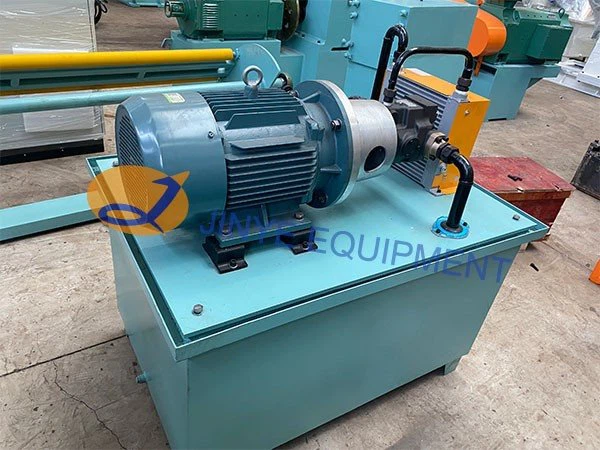

- Machine Type: Different types of metal slitting machines have different maintenance requirements. For example, a High Speed Steel Coil Slitting Line may require more frequent maintenance due to its high-speed operation and complex components, while a simpler Coil Slitting Machine may have less demanding maintenance needs.
- Intensity of Use: The more frequently a metal slitting machine is used, the more wear and tear it will experience. Machines that are operated continuously or at high speeds will require more frequent maintenance than those that are used less often.
- Operating Environment: The environment in which the metal slitting machine is operated can also affect its maintenance requirements. Machines that are exposed to dust, dirt, moisture, or extreme temperatures may require more frequent cleaning and lubrication to prevent corrosion and damage to the components.
- Manufacturer's Recommendations: The manufacturer of the metal slitting machine will typically provide a maintenance schedule and guidelines in the user manual. It is important to follow these recommendations to ensure that the machine is properly maintained and to avoid voiding the warranty.
General Maintenance Schedule
Based on the factors mentioned above, here is a general maintenance schedule for a metal slitting machine:
-
Daily Maintenance:
- Visual Inspection: Conduct a visual inspection of the machine before and after each use to check for any signs of damage, wear, or loose components. Look for leaks, cracks, or abnormal noises.
- Cleaning: Clean the machine's work area, blades, and other components to remove any debris, dust, or metal shavings. Use a clean, dry cloth or a soft brush to avoid scratching the surfaces.
- Lubrication: Check the lubrication levels of the machine's moving parts, such as the bearings, gears, and slides, and add lubricant as needed. Follow the manufacturer's recommendations for the type and amount of lubricant to use.
-
Weekly Maintenance:
- Tightening of Bolts and Nuts: Check and tighten all the bolts and nuts on the machine to ensure that they are secure. Loose bolts and nuts can cause vibrations and damage to the components.
- Blade Inspection and Adjustment: Inspect the blades for wear, damage, or dullness. If necessary, sharpen or replace the blades. Adjust the blade clearance and alignment to ensure accurate cutting.
- Electrical System Check: Check the electrical connections, switches, and controls for any signs of damage or loose connections. Test the machine's safety features, such as emergency stops and overload protection.
-
Monthly Maintenance:
- Filter Replacement: Replace the air filters, hydraulic filters, and other filters in the machine according to the manufacturer's recommendations. Clogged filters can reduce the machine's performance and cause damage to the components.
- Hydraulic System Check: Check the hydraulic fluid level, pressure, and temperature. Look for any signs of leaks or contamination. If necessary, change the hydraulic fluid and clean the hydraulic system.
- Drive System Check: Inspect the drive belts, chains, and pulleys for wear, damage, or misalignment. Adjust the tension of the belts and chains as needed.
-
Quarterly Maintenance:
- Alignment and Calibration: Check and adjust the alignment and calibration of the machine's components, such as the feed rollers, guides, and cutting blades. This helps to ensure accurate cutting and reduce waste.
- Machine Performance Test: Conduct a performance test of the machine to check its cutting speed, accuracy, and power consumption. Compare the results with the manufacturer's specifications to identify any issues.
- Safety System Check: Test the machine's safety systems, such as the guards, interlocks, and sensors, to ensure that they are functioning properly. Replace any faulty safety components.
-
Annual Maintenance:
- Major Component Inspection and Replacement: Conduct a comprehensive inspection of the machine's major components, such as the motor, gearbox, and hydraulic pump. Replace any worn or damaged components as needed.
- Machine Overhaul: Consider having the machine overhauled by a qualified technician every few years to ensure its long-term reliability and performance. An overhaul may include disassembly, cleaning, inspection, and replacement of all the major components.
Benefits of Regular Maintenance
Adhering to a regular maintenance schedule for your metal slitting machine offers several benefits, including:
- Improved Performance: Regular maintenance helps to keep the machine in good working condition, ensuring that it operates at its optimal performance level. This results in higher productivity, better quality cuts, and reduced waste.
- Increased Longevity: By preventing wear and tear on the machine's components, regular maintenance can extend the lifespan of the machine. This reduces the need for costly replacements and saves you money in the long run.
- Enhanced Safety: A well-maintained machine is a safer machine. Regular maintenance helps to identify and address any potential safety issues, such as loose components, worn blades, or faulty safety systems, before they cause an accident.
- Reduced Downtime: Unplanned downtime can be costly for your business. By performing regular maintenance, you can prevent breakdowns and minimize the amount of time that the machine is out of service. This ensures that your production schedule is not disrupted and that you can meet your customer's demands.
Conclusion
In conclusion, regular maintenance is essential for the proper functioning and longevity of a metal slitting machine. By following a maintenance schedule that takes into account the machine type, intensity of use, operating environment, and manufacturer's recommendations, you can ensure that your machine operates at its best and provides you with reliable performance for years to come.
If you are in the market for a new metal slitting machine or need assistance with the maintenance of your existing machine, please feel free to contact us. Our team of experts is dedicated to providing you with the highest quality products and services to meet your needs. We offer a wide range of High Speed Steel Coil Slitting Lines, Coil Slitting Machines, and Copper Sheet Slitting Lines to choose from, and we can also provide you with customized solutions based on your specific requirements. Contact us today to learn more about our products and services and to discuss your metal slitting needs.
References
- Manufacturer's user manuals for metal slitting machines
- Industry standards and best practices for metal slitting machine maintenance
- Technical literature and research on metal slitting machine performance and reliability