

How to adjust the speed ratio between the unwinding and rewinding units in a metal slitting machine?
Dec 29, 2025
Leave a message
Hey there! As a supplier of Metal Slitting Machines, I often get asked about how to adjust the speed ratio between the unwinding and rewinding units in these machines. It's a crucial aspect that can significantly impact the efficiency and quality of the slitting process. So, let's dive right into it!
Understanding the Basics
First off, let's understand what the unwinding and rewinding units do. The unwinding unit is responsible for feeding the metal coil or sheet into the slitting machine. It has to ensure a smooth and consistent supply of the material. On the other hand, the rewinding unit takes the slit metal strips and winds them back into coils. The speed ratio between these two units needs to be carefully adjusted to prevent issues like material tension variations, uneven slitting, and coil winding problems.
Factors Affecting the Speed Ratio
There are several factors that can influence the ideal speed ratio between the unwinding and rewinding units.
Material Type: Different metals have different properties. For example, copper is more malleable compared to stainless steel. A Copper Sheet Slitting Line might require a different speed ratio than a SUS Steel Sheet Slitting Line. The material's thickness also plays a role. Thicker materials generally need a slower speed to ensure proper slitting and winding.
Coil Size: The diameter and width of the input coil and the desired output coils matter. A large - diameter input coil might need a different unwinding speed compared to a small one. Similarly, if you're winding the slit strips into large - diameter coils, the rewinding speed will need to be adjusted accordingly.
Slitting Width: The width of the slit strips affects the speed ratio. Narrower strips might require a different speed combination than wider ones. For instance, when using an Aluminium Coil Slitting Line to produce very narrow aluminium strips, the machine might need to run at a different speed to maintain quality.
Step - by - Step Adjustment Process
Initial Setup
Before starting the slitting process, you need to set some initial parameters. Check the machine's manual for the recommended speed ranges for the material you're working with. For example, if you're slitting aluminium, the manual might suggest a starting unwinding speed of around 10 - 15 meters per minute and a rewinding speed that's slightly adjusted based on the expected tension.
Tension Monitoring
Tension is a key factor in determining the speed ratio. You can use tension sensors installed in the machine. These sensors measure the tension of the material as it moves from the unwinding unit to the rewinding unit. If the tension is too high, it could lead to material breakage or uneven slitting. If it's too low, the material might not feed properly or the coils won't wind tightly.
Start the machine at a low speed and monitor the tension. If the tension is increasing, it might mean that the rewinding speed is too high compared to the unwinding speed. In this case, you can slightly reduce the rewinding speed. Conversely, if the tension is decreasing, you might need to increase the rewinding speed or decrease the unwinding speed.
Visual Inspection
As the machine runs, visually inspect the slitting process. Look for any signs of uneven slitting, such as jagged edges on the strips. If you notice such issues, it could be related to the speed ratio. For example, if the strips are being cut unevenly on one side, it might be because the material is moving too fast or too slow through the slitting blades. Adjust the speed ratio accordingly and continue to monitor the results.
Coil Winding Quality
Check the quality of the wound coils. The coils should be wound tightly and evenly. If the coils are loose or have uneven layers, it could be due to an improper speed ratio. A loose coil might indicate that the rewinding speed is too slow compared to the unwinding speed, causing the material to bunch up. In this case, increase the rewinding speed.
Fine - Tuning
Once you've made some initial adjustments, continue to fine - tune the speed ratio. Make small changes, usually in increments of 1 - 2% of the speed, and observe the effects. It might take a few tries to find the perfect speed ratio for your specific application.
Using Automation for Speed Ratio Adjustment
Many modern metal slitting machines come with automation features that can help in adjusting the speed ratio. These machines use advanced control systems that can automatically adjust the speeds based on the input parameters such as material type, thickness, and coil size.
The automation system can continuously monitor the tension, slitting quality, and coil winding. It can make real - time adjustments to the speed ratio, ensuring a consistent and high - quality slitting process. However, it's still important to keep an eye on the machine and make manual adjustments if necessary.
Troubleshooting Common Issues
Material Breakage
If the material breaks during the slitting process, it could be due to an incorrect speed ratio. As mentioned earlier, high tension caused by a mismatch in the unwinding and rewinding speeds can lead to breakage. Check the tension sensors and adjust the speeds accordingly. Also, make sure that the blades are sharp and properly aligned, as dull blades can also contribute to breakage.
Uneven Coil Winding
Uneven coil winding can be a result of inconsistent speed ratios. If the coils have loose or tight spots, it might be because the speed of the rewinding unit is fluctuating. Check the control system for any errors and make sure that the speed adjustment mechanisms are working properly.
Poor Slitting Quality
Poor slitting quality, such as rough edges or incomplete cuts, can be related to the speed ratio. If the material is moving too fast through the blades, the cuts might not be clean. Slow down the speed and see if the quality improves. Also, check the blade sharpness and alignment.
Importance of Correct Speed Ratio
Getting the speed ratio right is crucial for several reasons. Firstly, it ensures high - quality slitting. The strips will have clean edges, and the coils will be wound neatly. This is important for meeting customer requirements and maintaining the reputation of your products.
Secondly, it improves the efficiency of the slitting process. A proper speed ratio reduces the chances of machine downtime due to issues like material breakage or coil winding problems. This means you can produce more in less time, increasing your overall productivity.
Finally, it helps in reducing material waste. When the slitting process is smooth and the coils are wound correctly, there is less chance of having to scrap damaged or poorly slit material.
Conclusion
Adjusting the speed ratio between the unwinding and rewinding units in a metal slitting machine is a complex but essential process. It requires a good understanding of the machine, the material you're working with, and careful monitoring of various parameters. By following the steps outlined above and using automation where possible, you can achieve the optimal speed ratio for your slitting operations.

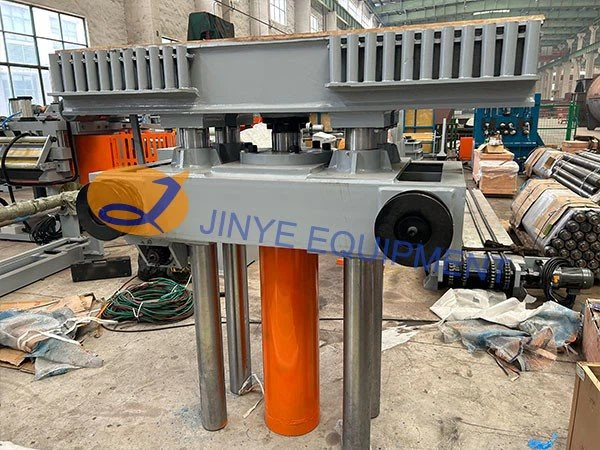
If you're in the market for a metal slitting machine or need more advice on speed ratio adjustment, don't hesitate to reach out. We're here to help you get the most out of your slitting process.
References
- Manufacturer's manuals for metal slitting machines
- Industry research on metal slitting processes
- Experience and knowledge gained from years of supplying metal slitting machines