

What is the function of the slitter in a metal slitting line?
Jun 03, 2025
Leave a message
Hey there! As a supplier of Metal Slitting Lines, I've been getting a lot of questions lately about the function of the slitter in a metal slitting line. So, I thought I'd take a moment to break it down for you.
First off, let's talk about what a metal slitting line is. A metal slitting line is a piece of equipment used to cut large coils of metal into narrower strips. These strips can then be used for a variety of applications, like making automotive parts, appliances, and construction materials. And at the heart of this process is the slitter.
The slitter is the key component that actually does the cutting. It's designed to take a wide coil of metal and slice it into multiple, evenly spaced strips. There are a few different types of slitters, but the most common ones use circular blades. These blades are mounted on a shaft and rotate at high speeds to cut through the metal.
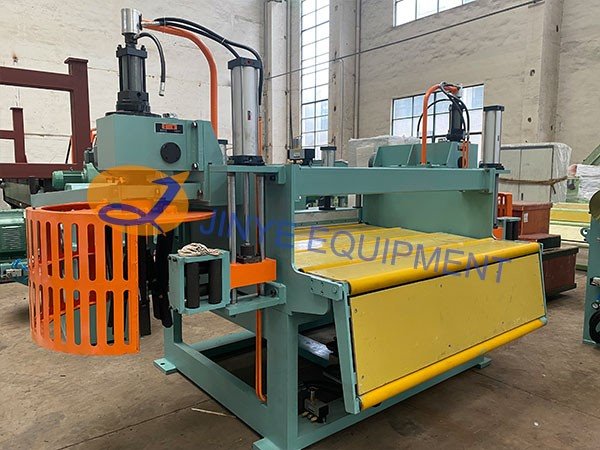

One of the main functions of the slitter is to ensure precision. When you're cutting metal, accuracy is super important. You need to make sure that each strip is the right width and that the edges are clean and straight. The slitter achieves this by using precision-ground blades and advanced control systems. These systems can adjust the blade position and pressure to ensure a consistent cut every time.
Another important function of the slitter is to handle different types of metals. Metals come in all sorts of thicknesses and hardness levels, and the slitter needs to be able to handle them all. For example, if you're cutting thin, soft metals like aluminum, you'll need a different set of blades and cutting parameters than if you're cutting thick, hard metals like stainless steel. A good slitter will be able to adjust to these different materials and provide a high-quality cut.
The slitter also plays a role in optimizing productivity. In a manufacturing environment, time is money. You want to be able to cut as many strips as possible in the shortest amount of time. The slitter can help with this by using high-speed cutting technology and efficient coil handling systems. Some slitters can even cut multiple coils at the same time, which really boosts the output.
Now, let's take a closer look at the different parts of the slitter and how they work together. The first part is the decoiler. This is where the large coil of metal is loaded onto the slitting line. The decoiler unwinds the coil and feeds it into the slitter. It's important that the decoiler can handle different coil sizes and weights and that it can unwind the coil smoothly and evenly.
Next up is the leveler. Before the metal goes into the slitter, it needs to be flattened. The leveler uses a series of rollers to remove any bends or waves in the metal. This ensures that the metal is flat and ready for cutting. A good leveler can improve the quality of the cut and reduce the risk of blade damage.
Then comes the slitter itself. As I mentioned earlier, the slitter uses circular blades to cut the metal into strips. The blades are usually made of high-quality steel and are designed to be sharp and durable. The slitter can be adjusted to change the width of the strips. This is done by moving the blades closer together or further apart.
After the metal is cut, it goes through the recoiler. The recoiler winds the narrow strips back into coils. Just like the decoiler, the recoiler needs to be able to handle different strip widths and weights. It also needs to wind the coils tightly and evenly to prevent any loose or overlapping strips.
Now, I want to mention some of the benefits of using a high-quality slitter in your metal slitting line. First of all, it can improve the quality of your products. When you have a precise and clean cut, your strips will be more consistent and have better edges. This can lead to fewer rejects and higher customer satisfaction.
Secondly, a good slitter can increase your efficiency. By cutting faster and more accurately, you can produce more strips in less time. This can help you meet your production targets and increase your profitability.
Finally, a reliable slitter can reduce your maintenance costs. High-quality blades and components will last longer and require less frequent replacement. This means less downtime for maintenance and lower overall costs.
If you're in the market for a metal slitting line, I'd recommend checking out our Steel Coil Slitting Line, Precision Slitting Line, and Steel Sheet Slitting Line. These lines are designed with the latest technology and are built to provide high-quality, efficient, and reliable performance.
If you have any questions or if you're interested in learning more about our metal slitting lines, don't hesitate to get in touch. We're always happy to have a chat and help you find the right solution for your needs. Whether you're a small business just starting out or a large-scale manufacturer, we can provide you with the equipment and support you need to succeed.
So, that's a quick overview of the function of the slitter in a metal slitting line. I hope this has been helpful. If you have any other questions or if there's anything else you'd like to know, feel free to leave a comment below.
References:
- Metal Forming Handbook: A Practical Guide to Sheet Metal Forming Technology
- Steel Industry Best Practices: Optimizing Metal Processing Operations