

What is the lifespan of slitting lines?
Sep 04, 2025
Leave a message
Hey there! As a supplier of slitting lines, I often get asked about the lifespan of these machines. It's a crucial question for anyone considering investing in slitting equipment, so I thought I'd share some insights based on my experience in the industry.
First off, let's talk about what slitting lines are. Slitting lines are used to cut wide coils of metal into narrower strips. They're essential in various industries, including automotive, construction, and manufacturing. We offer different types of slitting lines, such as the Steel Coil Slitting Line, Stainless Steel Coil Slitting Line, and Heavy Plate Slitting Machine. Each type is designed to handle specific materials and thicknesses, but the general concept remains the same.
Now, back to the lifespan of slitting lines. There's no one - size - fits - all answer to this question because it depends on several factors.
1. Quality of Manufacturing
The first and most obvious factor is the quality of the slitting line when it's manufactured. A well - built slitting line made from high - quality materials and with precise engineering is likely to last longer. At our company, we take great care in sourcing the best materials and using advanced manufacturing techniques. We ensure that all our components are of top - notch quality, from the blades to the motors. This means that our slitting lines are built to withstand the rigors of continuous use. For example, our slitting blades are made from high - grade steel that can maintain their sharpness for a long time, reducing the need for frequent replacements.
2. Usage Frequency
How often you use the slitting line also plays a huge role in its lifespan. If you're running the machine 24/7, it's going to experience more wear and tear compared to a slitting line that's used only a few hours a week. Continuous operation can put a lot of stress on the components, such as the bearings, gears, and belts. However, if you follow a proper maintenance schedule, you can still extend the life of a frequently used slitting line. For instance, regular lubrication of moving parts can reduce friction and prevent premature wear.
3. Maintenance
Maintenance is key to ensuring a long lifespan for your slitting line. This includes both routine maintenance and more in - depth servicing. Routine maintenance tasks like cleaning the machine, checking for loose bolts, and inspecting the blades should be done daily or weekly, depending on usage. More comprehensive maintenance, such as replacing worn - out parts and calibrating the machine, should be carried out at regular intervals. For example, we recommend having a professional technician service your slitting line at least once a year. This can help catch any potential problems before they turn into major issues.
4. Operating Conditions
The environment in which the slitting line operates can also affect its lifespan. If the machine is in a dirty, dusty, or humid environment, it's more likely to experience corrosion and other forms of damage. For example, in a manufacturing plant where there's a lot of metal dust in the air, the dust can get into the moving parts of the slitting line and cause abrasion. In such cases, it's important to have proper ventilation and dust - collection systems in place. Also, extreme temperatures can affect the performance of the machine. High temperatures can cause the components to expand, while low temperatures can make the materials more brittle.
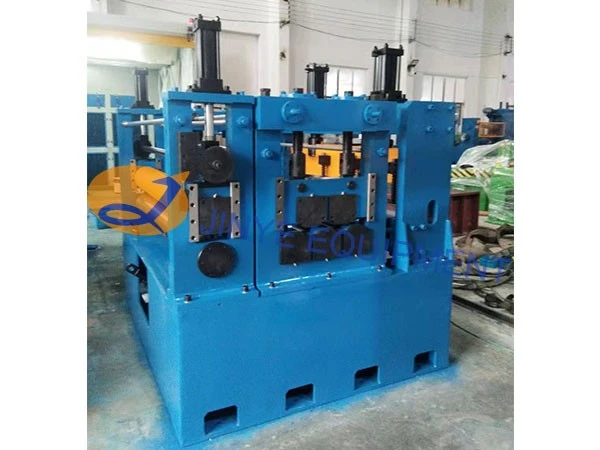

5. Operator Skill
Believe it or not, the skill of the operator can have a significant impact on the lifespan of the slitting line. A well - trained operator knows how to use the machine correctly, which reduces the risk of damage. For example, an experienced operator will know the right speed and pressure to use when slitting different materials. They'll also be able to detect any abnormal noises or vibrations early on, which could indicate a problem with the machine.
On average, a well - maintained slitting line can last anywhere from 10 to 20 years. However, some slitting lines that are extremely well - cared for and not used too intensively can last even longer.
Let's take a closer look at how each of these factors can either extend or shorten the lifespan of a slitting line.
Extending the Lifespan
- Regular Maintenance: As I mentioned earlier, regular maintenance is crucial. This includes lubricating the moving parts, checking the alignment of the blades, and replacing any worn - out components. By doing these things, you can prevent small problems from turning into big ones.
- Proper Training: Training your operators to use the slitting line correctly is a great investment. They should know how to load and unload the coils safely, adjust the settings for different materials, and perform basic troubleshooting.
- Upgrades: Periodically upgrading your slitting line can also extend its lifespan. For example, you might upgrade the control system to improve its efficiency and accuracy.
Shortening the Lifespan
- Neglecting Maintenance: Skipping maintenance tasks is a surefire way to shorten the lifespan of your slitting line. If you don't lubricate the parts, the friction can cause excessive wear, and if you don't replace the blades when they're dull, it can lead to poor - quality cuts and damage to the machine.
- Overloading the Machine: Trying to cut materials that are too thick or too hard for the slitting line can put a lot of stress on the components. This can cause the machine to break down more quickly.
- Poor Operating Conditions: As I said before, a dirty, dusty, or humid environment can cause corrosion and other forms of damage to the slitting line.
In conclusion, the lifespan of a slitting line is determined by a combination of factors. If you invest in a high - quality slitting line, use it responsibly, and maintain it properly, you can expect it to serve you well for many years.
If you're in the market for a slitting line, whether it's a Steel Coil Slitting Line, Stainless Steel Coil Slitting Line, or Heavy Plate Slitting Machine, we're here to help. We have a wide range of slitting lines to meet your specific needs. Feel free to reach out to us to discuss your requirements and get a quote. We're always happy to have a chat and help you make the best decision for your business.
References
- "Metalworking Machinery Handbook": This handbook provides in - depth information about the operation and maintenance of metal - cutting machines, including slitting lines.
- Industry reports on the durability and performance of slitting lines from leading manufacturers.