

What is the loading and unloading method for coils on a metal sheet slitting line?
Jul 22, 2025
Leave a message
As a seasoned provider of metal sheet slitting lines, I've witnessed firsthand the critical role that proper coil loading and unloading methods play in the efficiency and safety of the slitting process. In this blog, I'll delve into the various techniques and equipment used for loading and unloading coils on a metal sheet slitting line, providing insights that can help optimize your operations.
Understanding the Basics of Coil Loading and Unloading
Before we explore the specific methods, it's important to understand the basic principles behind coil loading and unloading. The primary goals are to ensure the safe and efficient transfer of coils between storage and the slitting line, minimize the risk of damage to the coils and equipment, and maintain a smooth workflow.
Coil Loading Methods
Overhead Crane Loading
One of the most common methods for loading coils onto a slitting line is using an overhead crane. This method is suitable for large and heavy coils, as the crane provides the necessary lifting capacity and precision. The process typically involves the following steps:
- Positioning the Crane: The overhead crane is positioned directly above the coil storage area.
- Attaching the Lifting Device: A specialized lifting device, such as a coil lifter or a spreader bar, is attached to the crane hook.
- Lifting the Coil: The crane operator carefully lifts the coil from the storage rack and positions it above the slitting line's entry point.
- Lowering the Coil: The coil is slowly lowered onto the uncoiler or the feeding table of the slitting line.
Overhead crane loading offers several advantages, including high lifting capacity, flexibility in positioning, and the ability to handle a wide range of coil sizes. However, it requires a dedicated crane system and trained operators, which can increase the initial investment and operating costs.
Forklift Loading
Forklift loading is another popular method, especially for smaller and medium-sized coils. This method is more flexible and cost-effective than overhead crane loading, as it doesn't require a dedicated crane system. The process involves the following steps:
- Positioning the Forklift: The forklift is positioned next to the coil storage area.
- Inserting the Forks: The forklift operator inserts the forks into the center hole of the coil.
- Lifting the Coil: The forklift lifts the coil off the storage rack and transports it to the slitting line.
- Loading the Coil: The coil is carefully placed onto the uncoiler or the feeding table of the slitting line.
Forklift loading is relatively simple and requires minimal equipment. However, it has limitations in terms of lifting capacity and the ability to handle large or heavy coils. Additionally, forklift operators need to be trained to handle coils safely to prevent damage to the coils and the equipment.
Coil Car Loading
Coil car loading is a specialized method that uses a coil car to transport the coils from the storage area to the slitting line. This method is suitable for high-volume production environments, as it allows for continuous and efficient coil transfer. The process involves the following steps:

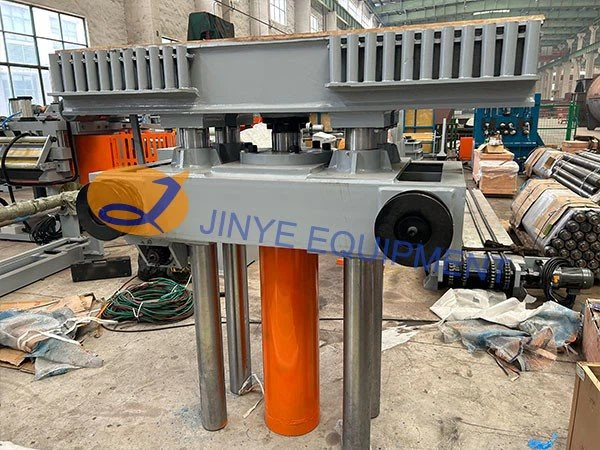
- Loading the Coil Car: The coil is loaded onto the coil car using an overhead crane or a forklift.
- Transporting the Coil: The coil car transports the coil along a track to the slitting line.
- Unloading the Coil: The coil is transferred from the coil car to the uncoiler or the feeding table of the slitting line.
Coil car loading offers several advantages, including high throughput, reduced labor requirements, and the ability to handle a large number of coils. However, it requires a dedicated coil car system and a track infrastructure, which can increase the initial investment.
Coil Unloading Methods
Reversing the Loading Process
In most cases, the coil unloading process is simply the reverse of the loading process. For example, if the coil was loaded using an overhead crane, it will be unloaded using the same crane. The steps typically involve lifting the coil from the slitting line's exit point and transporting it back to the storage area.
Coil Tilter and Stacker
For some applications, a coil tilter and stacker may be used to unload the coils. This equipment allows the coils to be tilted and stacked in a specific configuration, which can save space and improve the efficiency of the storage area. The process involves the following steps:
- Positioning the Coil Tilter: The coil tilter is positioned at the exit point of the slitting line.
- Transferring the Coil: The coil is transferred from the slitting line to the coil tilter.
- Tilting the Coil: The coil tilter tilts the coil to a desired angle.
- Stacking the Coil: The tilted coil is then stacked on a pallet or a storage rack using a forklift or an overhead crane.
Coil tilter and stacker systems offer several advantages, including space-saving, improved organization, and the ability to handle a large number of coils. However, they require additional equipment and space, which can increase the initial investment and operating costs.
Considerations for Choosing the Right Loading and Unloading Method
When choosing the right loading and unloading method for your metal sheet slitting line, several factors need to be considered, including:
- Coil Size and Weight: The size and weight of the coils will determine the lifting capacity and the type of equipment required.
- Production Volume: High-volume production environments may require a more automated and efficient loading and unloading method, such as a coil car system.
- Space Availability: The available space in your facility will limit the type of equipment that can be used.
- Budget: The initial investment and operating costs of the loading and unloading equipment should be considered.
- Safety: Safety is always a top priority. The chosen method should minimize the risk of accidents and injuries to the operators and the equipment.
Conclusion
Proper coil loading and unloading methods are essential for the efficient and safe operation of a metal sheet slitting line. By understanding the various techniques and equipment available, you can choose the method that best suits your specific requirements. Whether you're using an overhead crane, a forklift, a coil car, or a combination of these methods, the key is to ensure that the process is optimized for your production needs.
If you're in the market for a metal sheet slitting line or need advice on the best loading and unloading methods for your application, don't hesitate to [contact us for a consultation](insert contact link). We're a leading provider of SUS Steel Sheet Slitting Line, Copper Sheet Slitting Line, and High Speed Steel Coil Slitting Line, and we're committed to helping you achieve the best results.
References
- "Metal Processing Handbook," ASM International
- "Coil Handling and Storage Guide," Material Handling Institute