

What is the maximum coil weight that a stainless steel slitting line can handle?
Jun 03, 2025
Leave a message
What is the maximum coil weight that a stainless steel slitting line can handle?
As a seasoned supplier of stainless steel slitting lines, I often encounter inquiries from customers about the maximum coil weight that our machines can handle. This is a crucial question, as the coil weight capacity significantly impacts the efficiency and productivity of metal processing operations. In this blog post, I'll delve into the factors that determine the maximum coil weight of a stainless steel slitting line, the implications of different weight capacities, and how to choose the right machine for your specific needs.
Factors Determining the Maximum Coil Weight
Several key factors influence the maximum coil weight that a stainless steel slitting line can accommodate. Understanding these factors is essential for making an informed decision when selecting a slitting line for your business.
Structural Design and Build Quality
The physical structure of the slitting line is a primary determinant of its coil weight capacity. A robust and well - engineered frame is necessary to support the heavy coils during the slitting process. High - quality materials, such as thick steel plates and precision - machined components, are used in the construction of slitting lines designed for handling heavy coils. For instance, the base of the machine must be sturdy enough to prevent any deformation or instability when the coil is loaded and in operation.
Coil Handling Equipment
The coil handling equipment, including the uncoiler and recoiler, plays a vital role in determining the maximum coil weight. The uncoiler is responsible for unwinding the coil, while the recoiler rewinds the slit strips. These components need to be designed with sufficient torque and power to handle the weight of the coil. Hydraulic or electric drives are commonly used in high - capacity coil handling equipment to ensure smooth and efficient operation. For example, a heavy - duty uncoiler with a high - torque motor can easily handle large and heavy coils without overheating or experiencing mechanical failures.
Drive System
The drive system of the slitting line also affects its ability to handle heavy coils. A powerful drive system is required to move the coil through the slitting process at a consistent speed. The drive system typically consists of motors, gearboxes, and belts or chains. High - capacity slitting lines often use advanced servo - motor drives that can provide precise control and high torque, enabling them to handle heavy coils with ease.

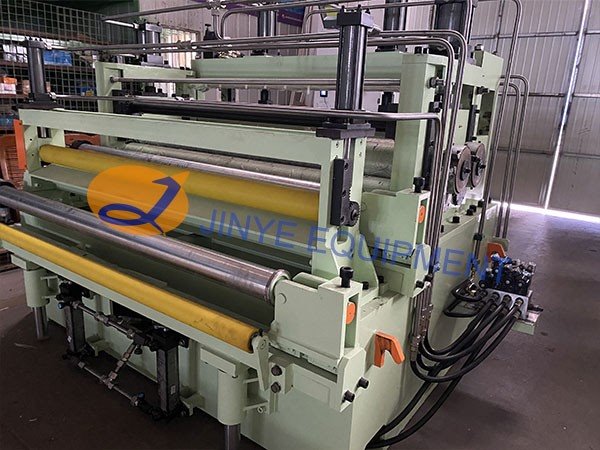
Slitting Blade and Tooling
The slitting blades and tooling must be able to withstand the forces exerted by the heavy coils during the slitting process. Blades made from high - quality materials, such as carbide or high - speed steel, are more durable and can handle the stress of cutting through thick and heavy stainless steel coils. Additionally, the tooling design should be optimized to ensure accurate and clean cuts, even when working with large - diameter and heavy coils.
Implications of Different Coil Weight Capacities
The maximum coil weight capacity of a stainless steel slitting line has several implications for metal processing operations.
Productivity
A slitting line with a higher coil weight capacity can process larger coils in a single run, reducing the need for frequent coil changes. This leads to increased productivity, as more material can be processed in less time. For example, if a slitting line can handle a 10 - ton coil instead of a 5 - ton coil, the operator can process twice as much material without having to stop and reload the machine.
Cost - Efficiency
Higher - capacity slitting lines can also be more cost - efficient in the long run. Although they may have a higher upfront cost, the reduced labor and downtime associated with fewer coil changes can result in significant savings over time. Additionally, larger coils are often more cost - effective to purchase, as they typically have a lower price per unit weight compared to smaller coils.
Flexibility
On the other hand, a slitting line with a lower coil weight capacity may offer more flexibility. It can be used to process a wider range of coil sizes, including smaller and lighter coils that may be required for certain applications. This can be beneficial for businesses that need to produce a variety of products with different coil sizes.
Choosing the Right Slitting Line for Your Needs
When selecting a stainless steel slitting line, it's important to consider your specific production requirements and the maximum coil weight that you need to handle. Here are some steps to help you make the right choice:
Assess Your Production Volume
Determine the amount of stainless steel you need to process on a regular basis. If you have a high - volume production operation, a slitting line with a higher coil weight capacity may be more suitable. However, if your production volume is lower or you need to process a variety of coil sizes, a more flexible slitting line with a lower capacity may be a better option.
Consider the Coil Size and Thickness
In addition to the coil weight, consider the size and thickness of the coils you will be processing. Larger and thicker coils generally require a more robust slitting line with a higher weight capacity. Make sure to choose a machine that can handle the maximum coil size and thickness you expect to encounter.
Evaluate the Machine's Features and Capabilities
Look for a slitting line that offers the features and capabilities you need. Some important features to consider include precision slitting, automatic tension control, and easy - to - use controls. You may also want to consider a machine that is compatible with other equipment in your production line, such as Aluminum Foil Slitting Machine, Steel Sheet Slitting Line, or Precision Slitting Line.
Consult with a Professional
If you're unsure which slitting line is right for your business, consult with a professional. As a stainless steel slitting line supplier, we have the expertise and experience to help you choose the best machine for your specific needs. We can provide you with detailed information about our products, including their coil weight capacities, features, and performance.
Conclusion
The maximum coil weight that a stainless steel slitting line can handle is determined by several factors, including the structural design, coil handling equipment, drive system, and slitting blade and tooling. The choice of coil weight capacity has significant implications for productivity, cost - efficiency, and flexibility. When selecting a slitting line, it's important to assess your production requirements, consider the coil size and thickness, evaluate the machine's features and capabilities, and consult with a professional.
If you're in the market for a stainless steel slitting line, we invite you to contact us to discuss your specific needs. Our team of experts is ready to assist you in choosing the right machine for your business and to provide you with the support and service you deserve. Let's work together to enhance your metal processing operations and achieve your production goals.
References
- "Stainless Steel Processing Handbook", Metal Processing Institute
- "Advanced Slitting Technology", International Journal of Metalworking