

How to store Heavy Duty Cut To Length materials properly?
Nov 28, 2025
Leave a message
Hey there! I'm a supplier of Heavy Duty Cut To Length materials, and I've seen firsthand how crucial it is to store these materials properly. In this blog, I'll share some tips and tricks on how to do just that, based on my years of experience in the industry.
Why Proper Storage Matters
First off, let's talk about why proper storage is so important. Heavy Duty Cut To Length materials are often expensive and used in critical applications. If they're not stored correctly, they can get damaged, which means you'll have to replace them, and that can cost you a fortune. Moreover, damaged materials can compromise the quality of your end products, leading to customer dissatisfaction and potential legal issues.
Factors to Consider Before Storage
Material Type
The type of material you're storing is the first thing you need to consider. Different materials have different properties and requirements. For example, stainless steel is more resistant to corrosion than regular steel, but it still needs to be protected from moisture. On the other hand, aluminum is lightweight and strong, but it can be easily scratched. You can learn more about Stainless Steel Cut To Length on our website.
Environmental Conditions
The environment where you store your materials can have a big impact on their quality. You need to keep the storage area clean, dry, and well-ventilated. Extreme temperatures and humidity can cause rust, warping, and other forms of damage. If possible, use a climate-controlled storage facility to maintain a stable environment.
Space and Organization
You also need to have enough space to store your materials properly. Make sure the storage area is organized so that you can easily access the materials you need. Use racks, shelves, and pallets to keep the materials off the ground and prevent them from getting damaged. You can check out our Steel Coil Sheet Cut To Length Line for more information on how to handle and store coil materials.
Storage Methods
Indoor Storage
Indoor storage is generally the best option for Heavy Duty Cut To Length materials. It provides protection from the elements and allows you to control the environmental conditions. Here are some tips for indoor storage:
- Use a Clean and Dry Area: Make sure the storage area is free of dirt, dust, and debris. Sweep and mop the floor regularly to prevent scratches and other damage.
- Keep the Materials Off the Ground: Use pallets, racks, or shelves to keep the materials off the ground. This will prevent moisture from seeping into the materials and causing rust or corrosion.
- Separate Different Materials: Store different types of materials separately to prevent cross-contamination. For example, don't store steel and aluminum together, as the two metals can react with each other and cause damage.
- Label the Materials: Use labels to identify the materials and their specifications. This will make it easier to find the materials you need and prevent mix-ups.
Outdoor Storage
If you don't have enough indoor space, you may need to store your materials outdoors. However, outdoor storage comes with some risks, such as exposure to the elements and theft. Here are some tips for outdoor storage:
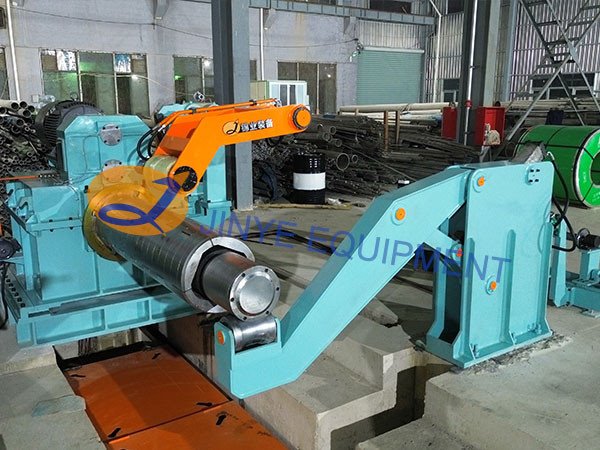

- Use a Cover: Cover the materials with a waterproof tarp or other protective covering to prevent them from getting wet. Make sure the cover is securely fastened to prevent it from blowing off in the wind.
- Elevate the Materials: Use pallets or other supports to elevate the materials off the ground. This will prevent moisture from seeping into the materials and causing rust or corrosion.
- Secure the Area: Use fencing, locks, and security cameras to secure the storage area and prevent theft.
- Inspect the Materials Regularly: Check the materials regularly for signs of damage or corrosion. If you notice any problems, take immediate action to prevent further damage.
Handling and Transportation
Proper handling and transportation are also important to prevent damage to your Heavy Duty Cut To Length materials. Here are some tips:
- Use the Right Equipment: Use appropriate handling equipment, such as forklifts, cranes, and hoists, to move the materials. Make sure the equipment is in good condition and operated by trained personnel.
- Protect the Materials During Transportation: Use padding, straps, and other protective materials to secure the materials during transportation. This will prevent them from shifting and getting damaged.
- Follow Safety Procedures: Always follow safety procedures when handling and transporting the materials. Wear appropriate personal protective equipment, such as gloves, safety glasses, and hard hats.
Conclusion
Storing Heavy Duty Cut To Length materials properly is essential to maintain their quality and prevent damage. By considering the material type, environmental conditions, space, and organization, and using the right storage methods, you can ensure that your materials are in good condition when you need them. If you have any questions or need more information, feel free to contact us. We're always happy to help!
If you're interested in purchasing Heavy Duty Cut To Length materials or need more information about our products and services, don't hesitate to get in touch with us. We're here to assist you with all your cut-to-length needs.
References
- "Metal Storage and Handling Best Practices." Industrial Metalworking magazine.
- "Guide to Storing Steel Products." American Iron and Steel Institute.