

What are the common tolerances for Heavy Duty Cut To Length?
Nov 26, 2025
Leave a message
In the manufacturing and metalworking industries, heavy duty cut to length operations are crucial for producing high - quality metal sheets and strips with precise dimensions. As a supplier of heavy duty cut to length services, I have gained in - depth knowledge about the common tolerances associated with this process. In this blog, I will share insights into these tolerances, their importance, and how they impact the overall quality of the final product.
Understanding Heavy Duty Cut To Length
Heavy duty cut to length refers to the process of cutting thick and large - sized metal sheets or coils into specific lengths. This process is commonly used for materials such as steel, stainless steel, and aluminum, which are widely applied in construction, automotive, and machinery manufacturing. The Heavy Duty Cut To Length process requires specialized equipment and skilled operators to ensure accurate cutting and high - quality finished products. Heavy Duty Cut To Length
Common Tolerances in Heavy Duty Cut To Length
Length Tolerance
One of the most critical tolerances in heavy duty cut to length is the length tolerance. This tolerance specifies the allowable deviation from the desired length of the cut metal piece. For heavy - duty applications, length tolerances typically range from ±0.5mm to ±2mm, depending on the material type, thickness, and the specific requirements of the end - user.
For example, in the construction industry, where large steel beams are cut to length for building structures, a length tolerance of ±1mm may be acceptable. However, in the automotive industry, where precision is crucial, a tighter length tolerance of ±0.5mm might be required. The length tolerance is affected by several factors, including the accuracy of the cutting equipment, the stability of the material during cutting, and the skill of the operator.
Width Tolerance
Width tolerance is another important aspect of heavy duty cut to length. It determines the allowable variation in the width of the cut metal sheet or strip. Similar to length tolerance, width tolerance also varies depending on the application. In general, width tolerances for heavy - duty cut to length range from ±0.5mm to ±1.5mm.
For instance, when cutting stainless steel sheets for kitchen appliances, a width tolerance of ±0.5mm is often necessary to ensure a proper fit and aesthetic appearance. On the other hand, for industrial applications where the metal is used in less - critical components, a wider width tolerance of ±1.5mm may be sufficient. The width tolerance can be influenced by factors such as the alignment of the cutting blade, the flatness of the material, and the tension control during the cutting process.
Flatness Tolerance
Flatness tolerance is a measure of how flat the cut metal piece is. It is particularly important for applications where the metal needs to be welded, painted, or assembled with other components. In heavy duty cut to length, flatness tolerances are typically specified as a maximum deviation from a perfectly flat surface.
Common flatness tolerances range from 1mm to 3mm per meter of the metal piece. For example, in the production of metal panels for large - scale machinery, a flatness tolerance of 2mm per meter may be required to ensure proper functionality and assembly. Factors affecting flatness tolerance include the quality of the raw material, the cutting method (e.g., shear cutting or laser cutting), and the handling of the metal after cutting.
Squareness Tolerance
Squareness tolerance refers to the degree to which the cut edges of the metal piece are at right angles to each other. This tolerance is crucial for applications where the metal needs to be joined or assembled with other parts. In heavy duty cut to length, squareness tolerances are usually specified as an angular deviation from 90 degrees.
Typical squareness tolerances range from ±0.1° to ±0.5°. For example, in the manufacturing of precision - engineered frames, a squareness tolerance of ±0.1° may be necessary to ensure accurate alignment and proper functioning of the final product. The squareness tolerance can be affected by the alignment of the cutting equipment, the stability of the material during cutting, and the quality of the cutting blade.
Importance of Tolerances in Heavy Duty Cut To Length
Maintaining proper tolerances in heavy duty cut to length is of utmost importance for several reasons. Firstly, it ensures the compatibility of the cut metal pieces with other components in the assembly process. If the length, width, flatness, or squareness tolerances are not met, the metal pieces may not fit properly, leading to assembly difficulties, reduced functionality, and potential safety hazards.
Secondly, tight tolerances contribute to the overall quality and appearance of the final product. In industries such as automotive and consumer goods, where aesthetics play a significant role, precise tolerances are essential to achieve a high - quality finish. Moreover, meeting the specified tolerances can enhance the reputation of the manufacturer and increase customer satisfaction.
Finally, adhering to tolerances can also lead to cost savings. By minimizing waste and rework caused by out - of - tolerance parts, manufacturers can improve their production efficiency and reduce material and labor costs.
How Our Company Ensures Tolerance Compliance
As a supplier of heavy duty cut to length services, we are committed to meeting the strictest tolerance requirements of our customers. We use state - of - the - art cutting equipment that is regularly calibrated to ensure high accuracy. Our skilled operators are trained to monitor and control the cutting process carefully, taking into account all the factors that can affect tolerances.
We also have a comprehensive quality control system in place. Before the cut metal pieces are shipped to our customers, they undergo a series of inspections to verify that they meet the specified tolerances. This includes using precision measuring tools such as calipers, micrometers, and laser scanners to check the length, width, flatness, and squareness of the parts.

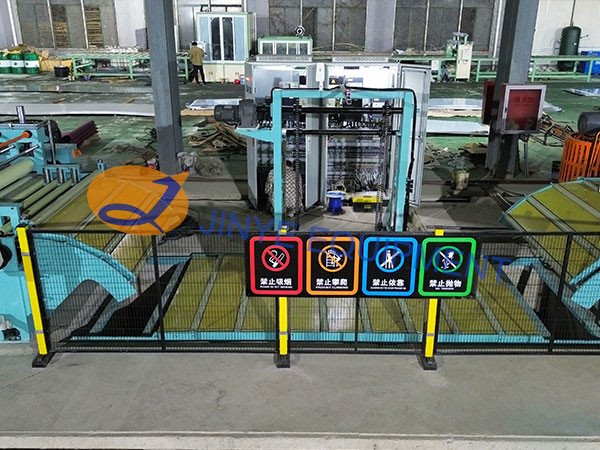
In addition, we work closely with our customers to understand their specific requirements and provide customized solutions. Whether they need Stainless Steel Cut To Length or Steel Sheet Cut To Length Line, we can adjust our processes to meet their unique tolerance needs.
Contact Us for Your Heavy Duty Cut To Length Needs
If you are in need of high - quality heavy duty cut to length services, we would be delighted to assist you. Our team of experts can work with you to determine the most suitable tolerances for your application and provide you with cost - effective solutions. Whether you are a small - scale manufacturer or a large industrial enterprise, we have the capabilities and experience to meet your requirements. Please reach out to us to discuss your project and start a procurement negotiation.
References
- "Metal Cutting Handbook", Industrial Press Inc.
- "Manufacturing Engineering and Technology", S. Kalpakjian and S. Schmid
- Industry standards and guidelines for heavy - duty metal cutting processes.