

How to improve the cutting quality in Heavy Duty Cut To Length?
Oct 24, 2025
Leave a message
Hey there! As a heavy-duty cut-to-length supplier, I've seen firsthand the importance of high-quality cutting in various industries. Whether it's for construction, automotive, or manufacturing, getting that perfect cut can make all the difference. In this blog, I'll share some tips on how to improve the cutting quality in heavy-duty cut-to-length processes.
Understanding the Basics of Heavy Duty Cut To Length
Before we dive into the tips, let's quickly go over what heavy-duty cut-to-length is all about. It's a process where large coils of metal, like steel or stainless steel, are uncoiled, flattened, and then cut into specific lengths. This is used to create sheets or blanks that are ready for further processing or use in different applications.
The quality of the cut matters a lot. A clean, precise cut ensures that the final product fits perfectly into the intended application, reduces waste, and can even save on costs in the long run.
Choosing the Right Equipment
One of the first steps in improving cutting quality is to have the right equipment. When it comes to heavy-duty cut-to-length, there are different types of machines available, each with its own features and capabilities.
For instance, a Stainless Steel Cut To Length machine is specifically designed to handle stainless steel coils. These machines often have specialized blades and controls to ensure a clean cut on the tough and often corrosive stainless steel material.

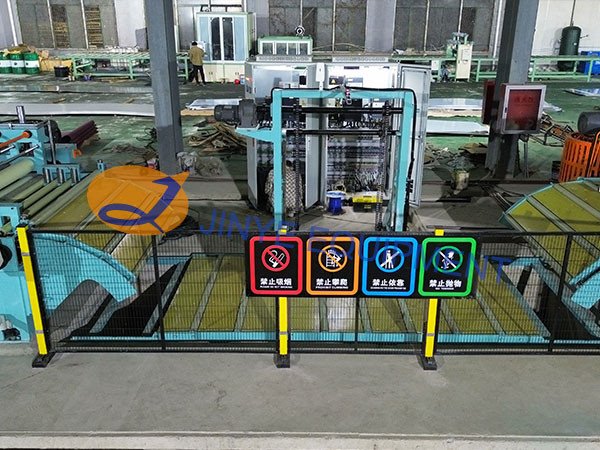
A High Speed Cut To Length Line is great if you need to cut large volumes of material quickly. However, it's important to make sure that the speed doesn't compromise the quality of the cut. Look for machines that have advanced control systems to maintain accuracy even at high speeds.
And if you're dealing with steel coil sheets, a Steel Coil Sheet Cut To Length Line is the way to go. These machines are built to handle the thickness and weight of steel coils, providing a consistent and precise cut.
Blade Selection and Maintenance
The blade is one of the most critical components in the cutting process. Using the right blade for the material you're cutting is essential for a high-quality cut. Different materials require different blade types and geometries.
For example, when cutting stainless steel, you'll need a blade that can withstand the hardness and abrasiveness of the material. Carbide-tipped blades are often a good choice for stainless steel as they offer a long cutting life and can maintain a sharp edge.
Regular blade maintenance is also crucial. Over time, blades can become dull, which can lead to rough cuts, burrs, and even damage to the material. Make sure to sharpen or replace the blades at regular intervals. You can also use blade coatings to extend their lifespan and improve cutting performance.
Proper Material Handling
How you handle the material before and during the cutting process can also have a big impact on the cutting quality. Make sure the coils are properly loaded onto the machine to prevent any misalignment or tension issues.
Uncoiling the material smoothly is important to avoid any wrinkles or waves in the sheet. This can be achieved by using proper decoiling equipment and tension control systems. Once the material is uncoiled, it should be flattened evenly before cutting. Any unevenness in the sheet can cause the blade to cut at an angle, resulting in an inaccurate cut.
Precision Control Systems
Modern heavy-duty cut-to-length machines come with advanced control systems that allow for precise control of the cutting process. These systems can adjust the cutting speed, blade position, and other parameters to ensure a consistent and accurate cut.
For example, some machines use laser measurement systems to detect the position and thickness of the material in real-time. This information is then used to adjust the cutting parameters automatically, compensating for any variations in the material.
Programmable logic controllers (PLCs) are also commonly used in these machines. They allow you to set up specific cutting programs for different materials and lengths, ensuring that each cut is made exactly as required.
Operator Training
Even with the best equipment and control systems, the operator plays a crucial role in the cutting process. Proper training is essential to ensure that the operator knows how to use the machine correctly, adjust the settings, and troubleshoot any issues that may arise.
Training should cover topics such as machine operation, safety procedures, blade maintenance, and quality control. An experienced and well-trained operator can make a big difference in the cutting quality, as they can make real-time adjustments based on their observations and knowledge of the process.
Quality Inspection
Finally, implementing a quality inspection process is essential to ensure that the cutting quality meets the required standards. This can involve visual inspections, dimensional measurements, and other tests to check for any defects in the cut.
Regularly inspecting the cut sheets can help you identify any issues early on and take corrective actions. You can also use statistical process control (SPC) techniques to monitor the cutting process over time and identify any trends or patterns that may indicate a problem.
Conclusion
Improving the cutting quality in heavy-duty cut-to-length requires a combination of the right equipment, proper blade selection and maintenance, correct material handling, precision control systems, operator training, and quality inspection. By paying attention to these aspects, you can achieve a high-quality cut that meets the needs of your customers and helps you stay competitive in the market.
If you're interested in learning more about our heavy-duty cut-to-length solutions or have any questions about improving cutting quality, feel free to reach out. We're here to help you find the best solutions for your specific needs and ensure that you get the highest quality cuts possible.
References
- Industry best practices for heavy-duty cut-to-length processes
- Manufacturer's manuals and technical documentation for cut-to-length machines
- Research papers on metal cutting technology and quality control