

How to install a Cut To Length Machine?
Dec 16, 2025
Leave a message
Installing a cut to length machine is a significant step for businesses involved in metal processing. As a reputable cut to length machine supplier, I understand the importance of a smooth installation process. In this blog post, I'll guide you through the key steps of installing a cut to length machine, ensuring you can maximize its performance and efficiency.
Pre - installation Preparation
Before the actual installation begins, thorough preparation is essential. This phase sets the foundation for a successful installation and long - term operation of the cut to length machine.
Site Assessment
First and foremost, you need to assess the installation site. The area should be large enough to accommodate the machine and provide sufficient space for material handling. Measure the dimensions of the machine carefully, including its length, width, and height, and ensure that the site has enough clearance around it for easy access during operation, maintenance, and potential future expansions.
The floor of the installation site must be level and strong enough to support the weight of the machine. Uneven floors can cause misalignment of the machine components, leading to inaccurate cutting and premature wear of parts. If necessary, you may need to reinforce the floor or use shims to level it.
Power Supply
A stable and appropriate power supply is crucial for the proper functioning of the cut to length machine. Check the machine's power requirements, including voltage, frequency, and amperage. Ensure that the electrical system at the installation site can meet these specifications. It's advisable to have a dedicated electrical circuit for the machine to avoid power fluctuations caused by other equipment sharing the same circuit.
Install appropriate electrical protection devices, such as circuit breakers and fuses, to safeguard the machine from electrical faults. Consult a qualified electrician to handle the electrical connections to ensure compliance with safety standards.
Material Handling
Consider how materials will be loaded onto and unloaded from the machine. You may need to install conveyor systems, cranes, or other material handling equipment to streamline the process. The layout of these systems should be designed to minimize the distance and effort required to move materials, improving overall productivity.
Machine Assembly
Once the installation site is ready, it's time to start assembling the cut to length machine.
Unpacking and Inspection
Carefully unpack the machine components and inspect them for any damage that may have occurred during transportation. Check for missing parts and ensure that all components are in good condition. Refer to the machine's manual for a detailed list of parts and their descriptions.
Base Installation
Begin by installing the machine base. Position the base on the prepared floor and use leveling bolts or shims to ensure it is perfectly level. Secure the base to the floor using anchor bolts to prevent movement during operation.
Component Installation
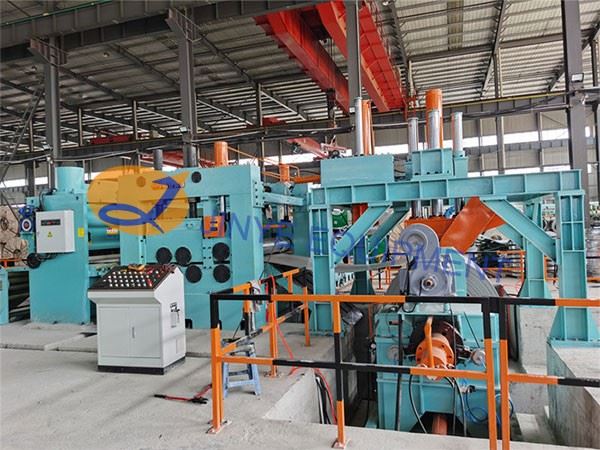
Follow the manufacturer's instructions to install the various components of the machine, such as the decoiler, straightener, shear, and control panel. Connect the mechanical and electrical components according to the wiring diagrams and assembly instructions.
For example, when installing the decoiler, make sure it is properly aligned with the rest of the machine to ensure smooth material feeding. The straightener should be adjusted to achieve the desired flatness of the material. The shear blade installation is a critical step; ensure that the blade is sharp and properly aligned to achieve clean and accurate cuts.
Alignment and Calibration
After all the components are installed, perform a thorough alignment and calibration of the machine. Use precision measuring tools to check the alignment of the rollers, guides, and cutting blades. Adjust the components as needed to ensure that the machine is operating within the specified tolerances.
Calibrate the control system to set the cutting length, speed, and other parameters accurately. This step is essential for achieving consistent and high - quality cutting results.
Testing and Commissioning
Once the machine is assembled and aligned, it's time to test and commission it.
Initial Checks
Before starting the machine, perform a final visual inspection to ensure that all connections are secure and all guards are in place. Check the lubrication levels of the moving parts and add lubricant if necessary.
Dry Run
Conduct a dry run of the machine without any material. This allows you to check the operation of the mechanical and electrical systems, identify any abnormal noises or vibrations, and ensure that all components are functioning properly.
Material Testing
After the dry run, start feeding material into the machine and test its cutting performance. Adjust the cutting parameters, such as speed and pressure, to achieve the best results. Check the cut length accuracy, edge quality, and flatness of the cut pieces.
If you encounter any issues during the testing process, refer to the machine's manual or contact the manufacturer's technical support team for assistance.
Training and Maintenance
To ensure the long - term success of your cut to length machine, proper training and maintenance are essential.
Operator Training
Provide comprehensive training to the machine operators. They should be familiar with the machine's operation, control panel functions, safety procedures, and basic maintenance tasks. Training can be provided by the machine manufacturer or an experienced technician.

Maintenance Schedule
Establish a regular maintenance schedule for the machine. This includes tasks such as lubrication, cleaning, blade sharpening, and component inspection. Regular maintenance can prevent breakdowns, extend the machine's lifespan, and ensure consistent performance.
Different Types of Cut To Length Machines
As a cut to length machine supplier, we offer a variety of machines to meet different customer needs. For example, our Thick Gauge Stainless Steel Cut To Length Line is specifically designed for processing thick gauge stainless steel materials. It features high - precision cutting and advanced straightening technology to ensure excellent quality of the cut pieces.
Our High Speed Cut To Length Line is ideal for high - volume production environments. It can operate at high speeds while maintaining accurate cutting lengths, significantly improving productivity.
If you are looking for a versatile machine for general metal processing, our Metal Cut To Length Machine is a great choice. It can handle a wide range of metal materials and thicknesses, providing flexibility for different applications.
Conclusion
Installing a cut to length machine requires careful planning, proper assembly, and thorough testing. By following the steps outlined in this blog post and ensuring that all aspects of the installation are carried out correctly, you can enjoy the benefits of a high - performing and reliable machine.
If you are interested in purchasing a cut to length machine or have any questions about the installation process, feel free to contact us. Our team of experts is ready to assist you in finding the right machine for your needs and providing support throughout the installation and operation process.
References
- Manufacturer's manual for the cut to length machine
- Electrical safety standards and guidelines
- Industrial material handling best practices