

How to prevent jamming in a Cut To Length Machine?
Dec 22, 2025
Leave a message
Jamming in a Cut To Length Machine can be a significant headache for manufacturers, leading to downtime, increased costs, and potential damage to the equipment. As a trusted Cut To Length Machine supplier, I understand the importance of preventing these issues to ensure smooth and efficient operations. In this blog post, I'll share some key strategies and best practices to help you prevent jamming in your Cut To Length Machine.
Understanding the Causes of Jamming
Before we delve into prevention strategies, it's essential to understand the common causes of jamming in a Cut To Length Machine. These can include:
- Material Issues: Poor quality or inconsistent material thickness, width, or surface finish can cause the material to get stuck in the machine. For example, if the material has burrs or rough edges, it may catch on the guides or rollers, leading to jamming.
- Mechanical Problems: Worn-out or misaligned components such as rollers, guides, or cutting blades can also contribute to jamming. If the rollers are not properly adjusted, the material may not feed smoothly through the machine, increasing the risk of jamming.
- Operator Error: Incorrect operation of the machine, such as feeding the material at the wrong speed or angle, can cause jamming. Additionally, failure to follow proper maintenance procedures can lead to the buildup of debris and dirt, which can also cause the machine to jam.
Prevention Strategies
Now that we understand the causes of jamming, let's explore some strategies to prevent it:
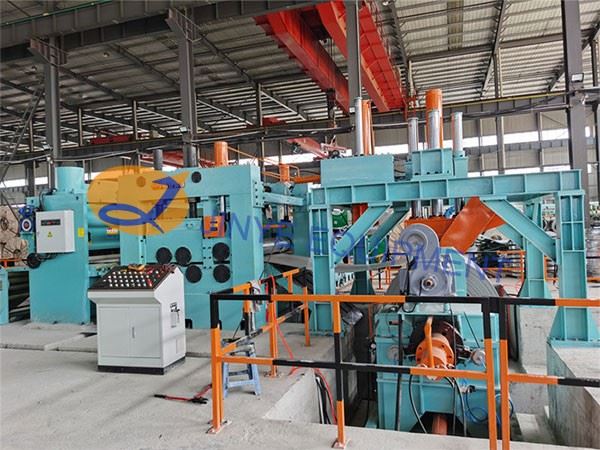

- Choose the Right Material: Selecting high-quality materials with consistent thickness, width, and surface finish is crucial to preventing jamming. Make sure to work with reputable suppliers who can provide materials that meet your specifications. Additionally, inspect the materials before feeding them into the machine to ensure they are free of defects.
- Regular Maintenance: Performing regular maintenance on your Cut To Length Machine is essential to keep it in optimal condition. This includes cleaning the machine regularly to remove debris and dirt, lubricating the moving parts, and inspecting the components for wear and tear. Replace any worn-out or damaged parts promptly to prevent further issues.
- Proper Alignment: Ensuring that the rollers, guides, and cutting blades are properly aligned is crucial to preventing jamming. Misaligned components can cause the material to feed unevenly through the machine, increasing the risk of jamming. Use alignment tools and follow the manufacturer's instructions to ensure proper alignment.
- Operator Training: Providing comprehensive training to your operators is essential to prevent jamming. Make sure they understand how to operate the machine correctly, including feeding the material at the right speed and angle. Additionally, train them on proper maintenance procedures and the importance of following safety guidelines.
- Use Quality Components: Using high-quality components in your Cut To Length Machine can help prevent jamming. Invest in reliable rollers, guides, and cutting blades that are designed to withstand the rigors of continuous operation. Additionally, make sure to use the correct type and size of components for your machine.
Specific Solutions for Different Types of Machines
- Thick Gauge Stainless Steel Cut To Length Line: For Thick Gauge Stainless Steel Cut To Length Line, the thick and heavy nature of the material requires special attention. Ensure that the rollers are strong enough to handle the weight and thickness of the stainless steel. Use high - pressure cleaning systems to keep the material surface clean during processing, as any debris can cause jamming. Adjust the tension control precisely to maintain a smooth feed of the thick material through the line.
- High Speed Cut To Length Line: In High Speed Cut To Length Line and High Speed Cut To Length Line, speed can be a major factor in jamming. Install advanced sensors that can detect any irregularities in the material feed or machine operation at high speeds. These sensors can trigger an immediate stop to prevent jamming. Optimize the cutting blade speed and pressure to match the high - speed processing, and ensure that the conveyor system can handle the rapid movement of the cut pieces without getting blocked.
Monitoring and Early Detection
Implementing a monitoring system is an effective way to detect potential jamming issues before they occur. Use sensors to monitor the speed, tension, and position of the material as it moves through the machine. These sensors can detect any deviations from the normal operating parameters and alert the operator. Additionally, install cameras to visually inspect the machine's operation in real - time. Early detection allows for quick intervention, reducing the likelihood of a full - blown jam and minimizing downtime.
Troubleshooting and Recovery
Despite your best efforts, jamming may still occur. In such cases, it's important to have a clear troubleshooting and recovery plan. First, stop the machine immediately to prevent further damage. Carefully remove the jammed material, following the manufacturer's instructions to avoid injury. Inspect the machine for any damage caused by the jam, such as bent rollers or dull blades. Make the necessary repairs and adjustments before restarting the machine. Keep a record of the jam incidents, including the date, time, and possible causes, to identify any recurring issues and take preventive measures.
Conclusion
Preventing jamming in a Cut To Length Machine is essential to ensure efficient and cost - effective operations. By understanding the causes of jamming, implementing prevention strategies, and providing proper training to your operators, you can minimize the risk of jamming and keep your machine running smoothly. As a Cut To Length Machine supplier, I'm committed to helping you find the best solutions for your specific needs. If you have any questions or need further assistance in preventing jamming in your machine, please don't hesitate to contact us. We're here to support you in achieving optimal performance and productivity.
References
- Manufacturer's manuals for Cut To Length Machines
- Industry research on metal processing and machine maintenance
- Technical papers on the optimization of Cut To Length processes