

What is the cutting cycle time of a Cut To Length Line?
Apr 22, 2026
Leave a message
In the realm of metal processing, a Cut To Length Line is an indispensable piece of equipment. It is designed to cut metal coils into sheets of specific lengths with high precision and efficiency. One of the key performance indicators of a Cut To Length Line is its cutting cycle time. This blog post aims to delve into what the cutting cycle time of a Cut To Length Line is, its significance, and the factors that influence it.
Understanding the Cutting Cycle Time
The cutting cycle time of a Cut To Length Line refers to the time required to complete one full cycle of operations, from the moment the metal coil starts feeding into the line until the cut sheet is discharged. It encompasses several sequential steps, including coil feeding, leveling, measuring, cutting, and sheet stacking. Each of these steps contributes to the overall cutting cycle time.
Let's break down these steps to understand their role in the cutting cycle:
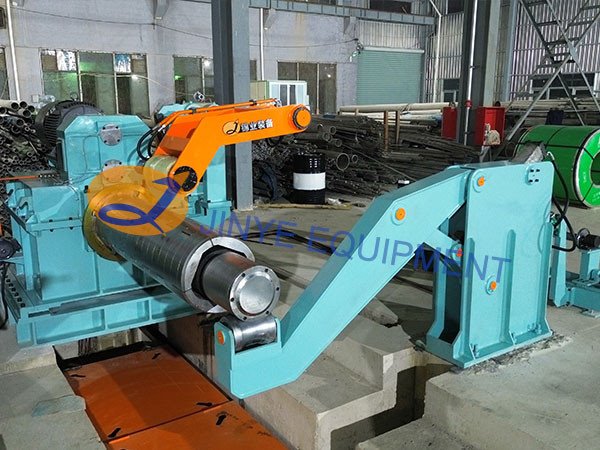
- Coil Feeding: This is the initial step where the metal coil is unwound and fed into the line. The speed at which the coil can be fed depends on the capabilities of the uncoiler and the material properties of the coil.
- Leveling: Once the metal strip is fed into the line, it passes through a leveling unit. The purpose of leveling is to remove any irregularities or curvatures in the strip, ensuring that the cut sheets are flat. The leveling process can take some time, especially for thicker or harder materials.
- Measuring: Before cutting, the length of the sheet to be cut needs to be accurately measured. This is typically done using sensors or measuring devices. The measuring process must be precise to ensure that the cut sheets meet the required length specifications.
- Cutting: The actual cutting of the metal strip is a crucial step. The cutting method can vary depending on the type of Cut To Length Line. For example, some lines use a flying shear, which can cut the strip while it is in motion, allowing for continuous operation. Others may use a stationary shear, which requires the strip to stop before cutting.
- Sheet Stacking: After the sheet is cut, it is stacked for further handling or packaging. The stacking process also adds to the overall cutting cycle time.
Significance of Cutting Cycle Time
The cutting cycle time is a critical factor in determining the productivity and efficiency of a Cut To Length Line. A shorter cutting cycle time means that more sheets can be produced in a given period, increasing the overall output of the line. This is particularly important for industries with high production demands, such as automotive, construction, and manufacturing.

In addition to productivity, the cutting cycle time also affects the cost of production. A shorter cycle time reduces the labor and energy costs associated with each cut sheet. It also allows for a more efficient use of the equipment, reducing the wear and tear on the machinery and extending its lifespan.
Factors Affecting Cutting Cycle Time
Several factors can influence the cutting cycle time of a Cut To Length Line. These include:
- Material Properties: The type, thickness, and hardness of the metal material have a significant impact on the cutting cycle time. Thicker and harder materials generally require more time for leveling and cutting. For example, stainless steel is harder than mild steel, and cutting stainless steel sheets may take longer. You can learn more about Stainless Steel Cut To Length on our website.
- Line Speed: The speed at which the Cut To Length Line operates is a crucial factor. A higher line speed can reduce the cutting cycle time, but it also requires more advanced equipment and control systems to ensure accurate cutting and stacking.
- Cutting Method: As mentioned earlier, the cutting method used in the line can affect the cutting cycle time. Flying shear cut to length systems, such as our Flying Shear Cut To Length, can cut the strip while it is in motion, resulting in a shorter cycle time compared to stationary shear systems.
- Leveling Requirements: The degree of leveling required for the metal strip can also impact the cutting cycle time. If the strip has significant curvatures or irregularities, more passes through the leveling unit may be necessary, increasing the overall cycle time.
- Automation and Control Systems: Advanced automation and control systems can optimize the cutting cycle time by coordinating the different steps of the process. These systems can adjust the line speed, cutting length, and other parameters in real-time, ensuring efficient operation.
Improving Cutting Cycle Time
To improve the cutting cycle time of a Cut To Length Line, several strategies can be employed:
- Optimize Equipment Configuration: Selecting the right equipment for the specific application is crucial. For heavy-duty applications, a Heavy Duty Cut To Length line may be required. These lines are designed to handle thicker and heavier materials with higher cutting speeds.
- Upgrade Automation and Control Systems: Investing in advanced automation and control systems can significantly improve the efficiency of the line. These systems can reduce human error, optimize the cutting process, and provide real-time monitoring and feedback.
- Regular Maintenance and Calibration: Proper maintenance and calibration of the equipment are essential to ensure its optimal performance. Regularly checking and adjusting the leveling rollers, cutting blades, and other components can help maintain a consistent cutting cycle time.
- Operator Training: Well-trained operators can operate the Cut To Length Line more efficiently. Training programs should cover the proper operation, maintenance, and troubleshooting of the equipment to minimize downtime and improve productivity.
Conclusion
The cutting cycle time of a Cut To Length Line is a crucial parameter that determines the productivity and efficiency of the line. By understanding the factors that influence the cutting cycle time and implementing strategies to improve it, manufacturers can increase their output, reduce costs, and enhance their competitiveness in the market.
If you are in the market for a Cut To Length Line and want to learn more about how our products can meet your specific requirements, we invite you to contact us for a detailed discussion. Our team of experts is ready to assist you in selecting the right equipment and optimizing your cutting process.
References
- Metal Processing Handbook
- Industry reports on Cut To Length Lines